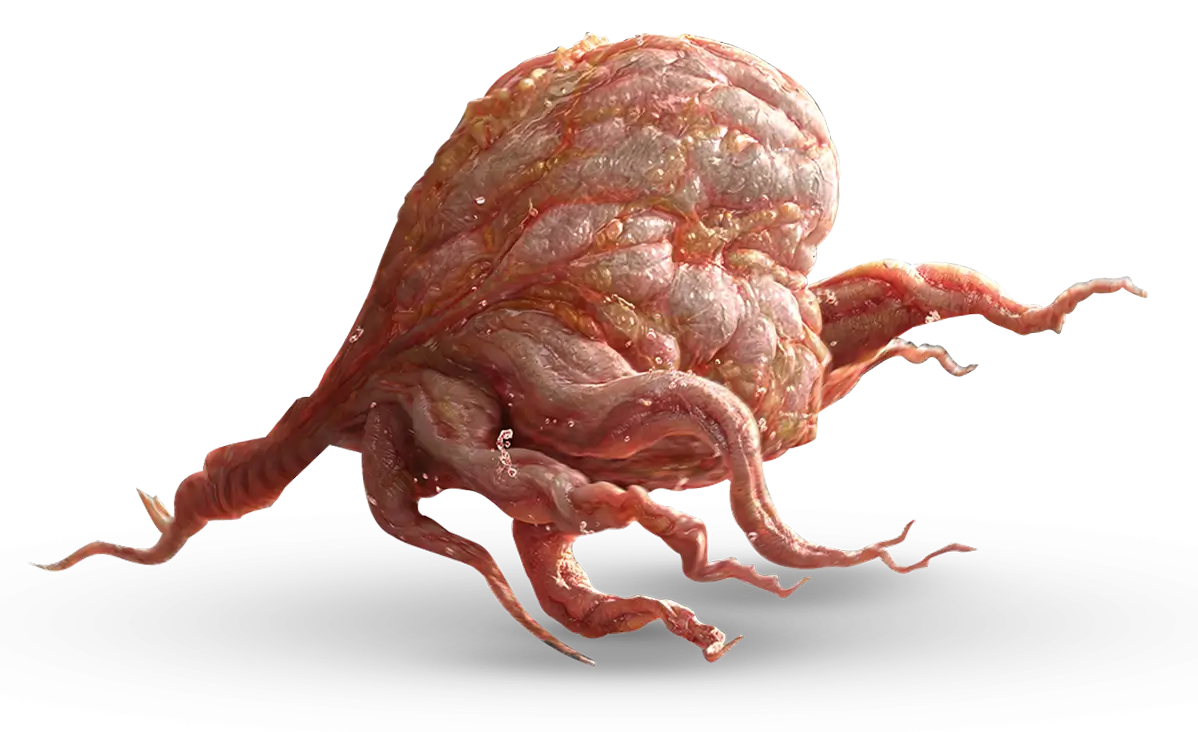
About Desmoid Tumors

Patients with desmoid tumors may face uncontrollable growth and a high symptom burden.1-4 Learn how desmoid tumor management is evolving.

Even though they do not metastasize, desmoid tumors often interfere with everyday activities and can be life-threatening.1,2

Labeling desmoid tumors as benign can be misleading, as they can be challenging to manage and are associated with a potentially high and multifaceted burden of illness, including pain, disfigurement, and decreased physical function.3,*

Data from a Memorial Sloan Kettering/Desmoid Tumor Research Foundation patient-reported outcome (PRO) validation study that included patients with desmoid tumors (n=31, age range 20-68, 77% female). Patients participated in 60-minute qualitative phone interviews to provide their perspectives on disease symptoms and impact on their quality of life. The majority of patients in this study were symptomatic (84%). Tumor site and type varied across patients. The concepts discussed during interviews were used to develop a draft patient-reported outcome scale, which was further refined in cognitive interviews of additional patients with desmoid tumors (n=15).3

  • Rare
  • Locally aggressive
  • Unpredictable clinical course
  • Vital organs can be impacted

In medical literature and clinical practice, desmoid tumors may also be referred to as aggressive fibromatosis, desmoid-type fibromatosis, or deep fibromatosis7,8

Back

Large desmoid tumor (15 cm x 10 cm) proximal to the spine9

Image adapted from Cohen S, et al. World J Surg Oncol. 2008;6:28. Reused under Creative Commons License 2.0 (creativecommons.org/licenses/by/2.0). Image background changed to gray.

Hand

Desmoid tumor causing severe restriction in the flexion of the hand10

Image reproduced from Scaramussa FS, et al. SM J Orthop. 2016;2(3):1036. Reused under Creative Commons License 4.0 (creativecommons.org/licenses/by/4.0).
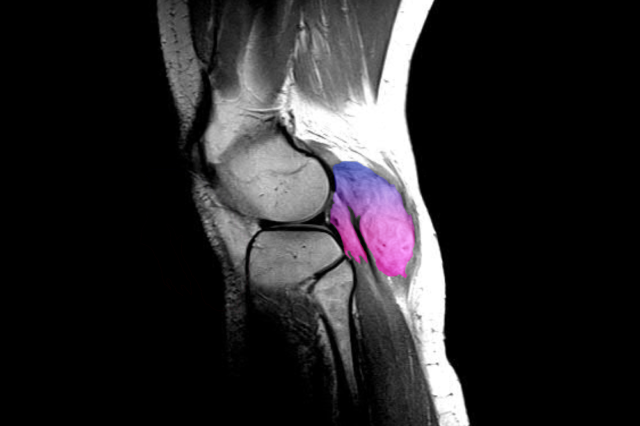
Knee

MRI scan showing desmoid tumor behind the right knee associated with electric paresthesias and reduced flexion11

Image adapted from Weschenfelder W, et al. Case Rep Surg. 2015;2015:262654. Reused under Creative Commons License 3.0 (creativecommons.org/licenses/by/3.0). False color added.
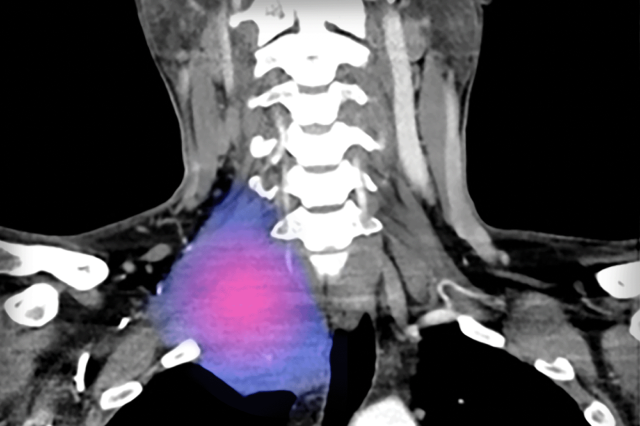
Neck

CT scan showing desmoid tumor in the right upper neck involving the brachial plexus associated with pain, numbness, and weakness in the right arm12

Image adapted from Styring E, et al. Am J Med Case Rep. 2019;7(3):36-40. Reused under Creative Commons License 4.0 (creativecommons.org/licenses/by/4.0). False color added.

Review a hypothetical case about a treatment-naive patient with a desmoid tumor.

  • Hypertrophic or
    procedure-related scars
  • Fibromas
  • Gastrointestinal stromal tumor (GIST)
  • Keloid scars
  • Lipomas
  • Nerve sheath tumor (schwannoma)
  • Nodular fasciitis
  • Low-grade sarcomas
  • Smooth muscle tumor (leiomyoma)

Data derived from an online survey of 130 oncologists and surgeons who treat desmoid tumors, conducted by SpringWorks Therapeutics between February and March 2022. Responses were collected from a comprehensive review of 361 desmoid tumor patient charts. Physicians (n=130) were asked to consider the primary diagnosis their patients with desmoid tumors initially received.16

ICD-10-CM Codes for Desmoid Tumors

Location-specific ICD-10-CM codes for desmoid tumors went into effect on October 1, 2023. The codes can help you document location-specific desmoid tumor diagnoses in your patients.

Identifying the earliest signs of desmoid tumor progression is key for patient management.

Symptoms

Impairing function of daily activities

Tumor growth documented on imaging (MRI or CT)

Desmoid Tumor Progression

  • Progression of desmoid tumors may be observed through both symptomatic and radiographic changes, with symptomatic progression sometimes occurring before radiographic findings21
  • In focus groups and interviews, patients reported that pain was the most debilitating symptom of desmoid tumors1,§
  • Evidence of pain can be a prognostic indicator of progression and can be associated with worse outcomes22

A course of ongoing observation is an appropriate option even for patients with disease progression, if the patient is minimally symptomatic and the anatomical location of the tumor is not critical. For tumors that are symptomatic, or impairing or threatening in function, patients should be offered therapy with the decision based on the location of the tumor and potential morbidity of the therapeutic option.19

Twenty-seven patients with desmoid tumors were interviewed from the Royal Marsden Hospital in the United Kingdom. Two focus groups and 13 interviews explored health-related quality of life issues and experiences of healthcare related to their desmoid tumors.1

NCCN, National Comprehensive Cancer Network® (NCCN®).

Systemic therapies are recommended as a first-line treatment option for progressive, morbid, or symptomatic desmoid tumors, according to the NCCN Guidelines® and Desmoid Tumor Working Group (DTWG) Guideline.19,20

Nirogacestat (OGSIVEO) is currently the only FDA-approved treatment option for progressing desmoid tumors in adult patients,
and it has an NCCN Category 1, Preferred recommendation.19

In 2024, UpToDate issued a revised review of desmoid tumor management options.23

“Historically, surgery was the frontline modality for the management of desmoids. Given the high rate of local recurrence, we now know that surgery is deferred up front except in certain cases. As is stated in NCCN Guidelines and DTWG documents, observation or systemic therapy should be considered before most surgeries.”

  • Desmoid tumors are infiltrative and can grow into surrounding tissues, making their true boundaries difficult to identify. This can lead to compression of vital structures like muscles, nerves, and blood vessels, complicating surgical removal and increasing the risk of postoperative complications2,24,25
  • Clear margins are often challenging to achieve with surgery and may require extensive resection that can lead to additional pain and functional impairment24-27
  • Surgical trauma and growth factors released during wound healing may worsen desmoid tumors and promote recurrence24,25,30
  • According to the NCCN Guidelines: In general, surgery is not considered a first-line treatment option for desmoid tumors, except in certain situations if agreed upon by a multidisciplinary tumor board19

Based on retrospective, observational data. Factors associated with local recurrence post surgery include tumor location, age of the patient, tumor size, margin status, and prior recurrence.31,32

Review a hypothetical case about a patient with a recurrent desmoid tumor who had prior surgery.

Consider consulting with a desmoid tumor expert

Sarcoma Centers

You can find a registry of sarcoma centers on the website for Sarcoma Alliance for Research through Collaboration (SARC), a non-profit organization.

SARC is independent of SpringWorks Therapeutics, Inc. SpringWorks Therapeutics is providing this resource to help patients find healthcare professionals by location who have experience treating adults with desmoid tumors. Inclusion of a healthcare setting in this registry does not represent an endorsement, referral, or recommendation from SpringWorks Therapeutics and is not intended as medical advice. The healthcare professionals or institutions included in this registry do not necessarily prescribe or endorse any SpringWorks Therapeutics products. This registry is not comprehensive and other providers with experience treating adults with desmoid tumors may be available.

Connect With Us

Sign up to connect with a representative. You can also sign up to receive information and resources directly to your inbox.

Explore our Video Library

Learn about unique perspectives and experiences with desmoid tumors and OGSIVEO.

Resources

Find information and resources to support your desmoid tumor patients, from diagnosis through treatment with OGSIVEO.

close
Resources
Indication
Important Safety Information

Indication 

OGSIVEO is indicated for adult patients with progressing desmoid tumors who require systemic treatment.

Important Safety Information

Warnings And Precautions

Diarrhea: Diarrhea, sometimes severe, can occur in patients treated with OGSIVEO. Diarrhea occurred in 84% of patients treated with OGSIVEO, and included Grade 3 events in 16% of patients. Median time to first diarrhea event was 9 days (range: 2 to 434 days). Monitor patients and manage using antidiarrheal medications. Modify dose as recommended.

Ovarian Toxicity: Female reproductive function and fertility may be impaired in patients treated with OGSIVEO. Impact on fertility may depend on factors like duration of therapy and state of gonadal function at time of treatment. Long-term effects of OGSIVEO on fertility have not been established. Advise patients on the potential risks for ovarian toxicity before initiating treatment. Monitor patients for changes in menstrual cycle regularity or the development of symptoms of estrogen deficiency, including hot flashes, night sweats, and vaginal dryness.

Hepatotoxicity: ALT or AST elevations occurred in 30% and 33% of patients, respectively. Grade 3 ALT or AST elevations (>5 x ULN) occurred in 6% and 2.9% of patients. Monitor liver function tests regularly and modify dose as recommended.

Non-Melanoma Skin Cancers: New cutaneous squamous cell carcinoma and basal cell carcinoma occurred in 2.9% and 1.4% of patients, respectively. Perform dermatologic evaluations prior to initiation of OGSIVEO and routinely during treatment.

Electrolyte Abnormalities: Decreased phosphate (65%) and potassium (22%) occurred in OGSIVEO-treated patients. Phosphate <2 mg/dL occurred in 20% of patients. Grade 3 decreased potassium occurred in 1.4% of patients. Monitor phosphate and potassium levels regularly and supplement as necessary. Modify dose as recommended.

Embryo-Fetal Toxicity: OGSIVEO can cause fetal harm when administered to pregnant women. Oral administration of nirogacestat to pregnant rats during the period of organogenesis resulted in embryo-fetal toxicity and death at maternal exposures below human exposure at the recommended dose of 150 mg twice daily. Advise pregnant women of the potential risk to a fetus. Advise females and males of reproductive potential to use effective contraception during treatment with OGSIVEO and for 1 week after the last dose.

Adverse Reactions

The most common (≥15%) adverse reactions were diarrhea (84%), ovarian toxicity (75% in the 36 females of reproductive potential), rash (68%), nausea (54%), fatigue (54%), stomatitis (39%), headache (30%), abdominal pain (22%), cough (20%), alopecia (19%), upper respiratory tract infection (17%), and dyspnea (16%).

Serious adverse reactions occurred in 20% of patients who received OGSIVEO. Serious adverse reactions occurring in ≥2% of patients were ovarian toxicity (4%).

The most common laboratory abnormalities (≥15%) were decreased phosphate, increased urine glucose, increased urine protein, increased AST, increased ALT, and decreased potassium.

Drug Interactions

CYP3A Inhibitors and Inducers: Avoid concomitant use with strong or moderate CYP3A inhibitors (including grapefruit products, Seville oranges, and starfruit) and strong or moderate CYP3A inducers.

Gastric Acid Reducing Agents: Avoid concomitant use with proton pump inhibitors and H2 blockers. If concomitant use cannot be avoided, OGSIVEO can be staggered with antacids (e.g., administer OGSIVEO 2 hours before or 2 hours after antacid use).

Consult the full Prescribing Information prior to and during treatment for important drug interactions.

Use in Specific Populations

Because of the potential for serious adverse reactions in breastfed children, advise women not to breastfeed during treatment with OGSIVEO and for 1 week after the last dose.

Please click here for full Prescribing Information.

Indication 

OGSIVEO is indicated for adult patients with progressing desmoid tumors who require systemic treatment.

Please click here for full Prescribing Information.

References
  1. Husson O, Younger E, Dunlop A, et al. Desmoid fibromatosis through the patients’ eyes: time to change the focus and organisation of care? Support Care Cancer. 2019;27(3):965-980.
  2. Constantinidou A, Scurr M, Judson I, Litchman C. Clinical presentation of desmoid tumors. In: Litchman C, ed. Desmoid Tumors. Springer; 2012:chap 2. Accessed October 4, 2024. https://www.researchgate.net/publication/226455135
  3. Kasper B, Baumgarten C, Garcia J, et al. Desmoid Working Group. An update on the management of sporadic desmoid-type fibromatosis: a European Consensus Initiative between Sarcoma Patients EuroNet (SPAEN) and European Organization for Research and Treatment of Cancer (EORTC)/Soft Tissue and Bone Sarcoma Group (STBSG). Ann Oncol. 2017;28(10):2399-2408.
  4. Gounder MM, Maddux L, Paty J, Atkinson TM. Prospective development of a patient-reported outcomes instrument for desmoid tumors or aggressive fibromatosis. Cancer. 2020;126(3):531-539.
  5. Penel N, Chibon F, Salas S. Adult desmoid tumors: biology, management and ongoing trials. Curr Opin Oncol. 2017;29(4):268-274.
  6. Sbaraglia M, Bellan E, Dei Tos AP. The 2020 WHO Classification of Soft Tissue Tumours: news and perspectives. Pathologica. 2021;113(2):70-84.
  7. Riedel RF, Agulnik M. Evolving strategies for management of desmoid tumor. Cancer. 2022;128(16):3027-3040. doi:10.1002/cncr.34332
  8. Master SR, Mangla A, Puckett Y, et al. Desmoid Tumor. [Updated 2022 Nov 30]. In: StatPearls [Internet]. Treasure Island (FL): StatPearls Publishing; 2023 Jan-. Available from: https://www.ncbi.nlm.nih.gov/books/NBK459231/
  9. Cohen S, Ad-El D, Benjaminov O, Gutman H. Post-traumatic soft tissue tumors: case report and review of the literature a propos a post-traumatic paraspinal desmoid tumor. World J Surg Oncol. 2008;6:28.
  10. Scaramussa FS, Castro UB. Desmoid tumor in hand: a case report. SM J Orthop. 2016;2(3):1036.
  11. Weschenfelder W, Lindner R, Spiegel C, et al. Desmoid tumor of the popliteal fossa during pregnancy. Case Rep Surg. 2015;2015:262654.
  12. Styring E, Ahlstrom M, Rissler P, et al. Desmoid fibromatosis in the brachial plexus mimicking an ulnar nerve entrapment. Am J Med Case Rep. 2019;7(3):36-40.
  13. Orphanet Report Series. Prevalence and incidence of rare diseases: bibliographic data. Accessed July 26, 2024. https://www.orpha.net/orphacom/cahiers/docs/GB/Prevalence_of_rare_diseases_by_alphabetical_list.pdf.
  14. van Broekhoven DLM, Grünhagen DJ, den Bakker MA, van Dalen T, Verhoef C. Time trends in the incidence and treatment of extra-abdominal and abdominal aggressive fibromatosis: a population-based study. Ann Surg Oncol. 2015;22(9):2817-2823.
  15. U.S. Department of Commerce. News Blog. U.S. population estimated at 332,403,650 on Jan. 1, 2022. Accessed July 26, 2024. https://www.commerce.gov/news/blog/2022/01/us-population-estimated-332403650-jan-1-2022#:~:
  16. Data on file: SpringWorks Therapeutics.
  17. Penel N, Coindre JM, Bonvalot S, et al. Management of desmoid tumours: a nationwide survey of labelled reference centre networks in France. Eur J Cancer. 2016;58:90-96.
  18. Huss S, Nehles J, Binot E, et al. β-catenin (CTNNB1) mutations and clinicopathological features of mesenteric desmoid-type fibromatosis. Histopathology. 2013;62(2):294-304.
  19. Referenced with permission from the NCCN Clinical Practice Guidelines in Oncology (NCCN Guidelines®) for Soft Tissue Sarcoma V.1.2025. © National Comprehensive Cancer Network, Inc. 2025. All rights reserved. Accessed September 3, 2025. To view the most recent and complete version of the guideline, go online to NCCN.org. NCCN makes no warranties of any kind whatsoever regarding their content, use or application and disclaims any responsibility for their application or use in any way.
  20. Kasper B, Baldini EH, Bonvalot S, et al; Desmoid Tumor Working Group. Current management of desmoid tumors: a review. JAMA Oncol. 2024;10(8):1121-1128.
  21. Cuomo P, Scoccianti G, Schiavo A, et al. Extra-abdominal desmoid tumor fibromatosis: a multicenter EMSOS study. BMC Cancer 2021;21:(437).
  22. Penel N, Bonvalot S, Le Deley MC, et al. Pain in desmoid-type fibromatosis: prevalence, determinants and prognosis value. Int J Cancer. 2023;153(2):407-416.
  23. Ravi V, Patel SR, Raut CP, Baldini EH. UpToDate®: Desmoid tumors: treatment. Accessed January 10, 2025. https://www.uptodate.com/contents/desmoidtumors-treatment
  24. Skubitz KM. Biology and treatment of aggressive fibromatosis or desmoid tumor. Mayo Clin Proc. 2017;92(6):947-964. 
  25. Bonvalot S, Desai A, Coppola S, et al. The treatment of desmoid tumors: a stepwise clinical approach. Ann Oncol. 2012;23(suppl 10):x158-x166
  26. Lewis JJ, Boland PJ, Leung DHY, et al. The enigma of desmoid tumors. Ann Surg. 1999;229(6):866-872.
  27. Dafford K, Kim D, Nelson A, Kline D. Extraabdominal desmoid tumors. Neurosurg Focus. 2007;22(6):E21.
  28. Easter DW, Halasz NA. Recent trends in the management of desmoid tumors. Summary of 19 cases and review of the literature. Ann Surg. 1989;210(6):765-769.
  29. Catton CN, O’Sullivan B, Bell R, Cummings B, Fornasier V, Panzarella T. Aggressive fibromatosis: optimisation of local management with a retrospective failure analysis. Radiother Oncol. 1995;34:17-22.
  30. Cheon SS, Cheah AYL, Turley S, et al. Beta-catenin stabilization dysregulates mesenchymal cell proliferation, motility, and invasiveness and causes aggressive fibromatosis and hyperplastic cutaneous wounds. Proc Natl Acad Sci USA. 2002;99(10):6973-6978.
  31. Crago AM, Denton B, Salas S, et al. A prognostic nomogram for prediction of recurrence in desmoid fibromatosis. Ann Surg. 2013;258(2):347-353.
  32. Tsagozis P, Stevenson JD, Grimer R, Carter S. Outcome of surgery for primary and recurrent desmoid-type fibromatosis. A retrospective case series of 174 patients. Ann Med Surg (Lond). 2017;17:14-19.