About OGSIVEO

OGSIVEO is the first and only FDA-approved targeted therapy for adult patients with progressing desmoid tumors who require systemic treatment.

What is OGSIVEO?

OGSIVEO is indicated for adult patients with progressing desmoid tumors who require systemic treatment. It is the first and only FDA-approved targeted gamma secretase inhibitor. OGSIVEO was evaluated in the DeFi study, a Phase 3 pivotal trial that included 142 adult patients with progressing desmoid tumors.1,2

OGSIVEO is the #1 prescribed systemic therapy for adults with desmoid tumors3

Systemic therapies are recommended as a first-line treatment option for progressive, morbid, or symptomatic desmoid tumors, according to the NCCN Guidelines and Desmoid Tumor Working Group (DTWG) Guideline4,5,*

Nirogacestat (OGSIVEO) is recommended as a treatment option by the NCCN Clinical Practice Guidelines in Oncology (NCCN Guidelines®)

NCCN Guidelines® for Soft Tissue Sarcoma recommend nirogacestat (OGSIVEO) as a Category 1 Preferred systemic therapy option for patients with desmoid tumors (aggressive fibromatosis).4

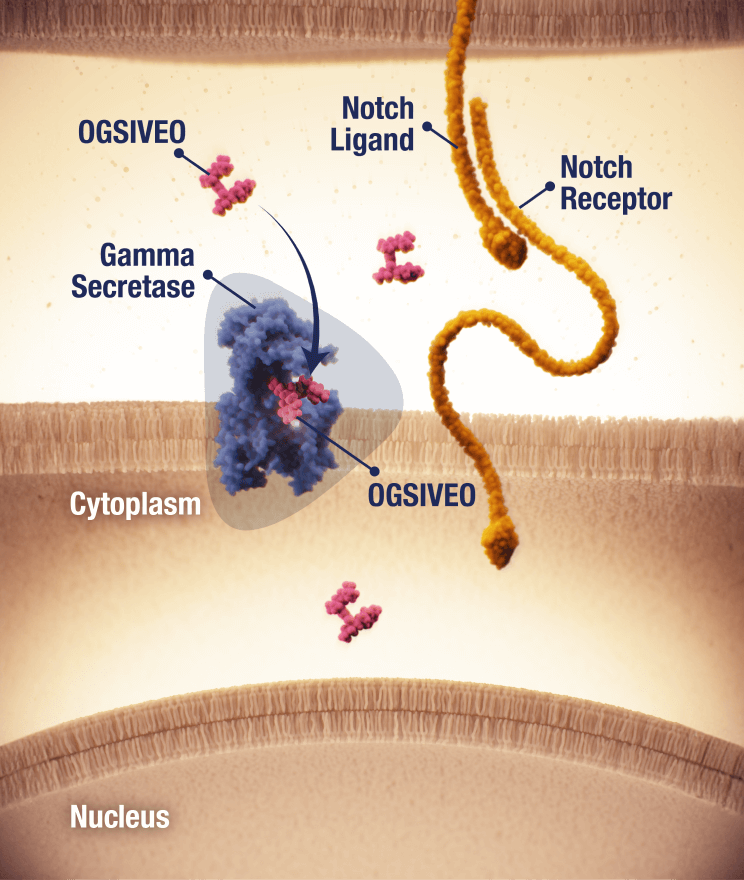
OGSIVEO is the first and only FDA-approved gamma secretase inhibitor

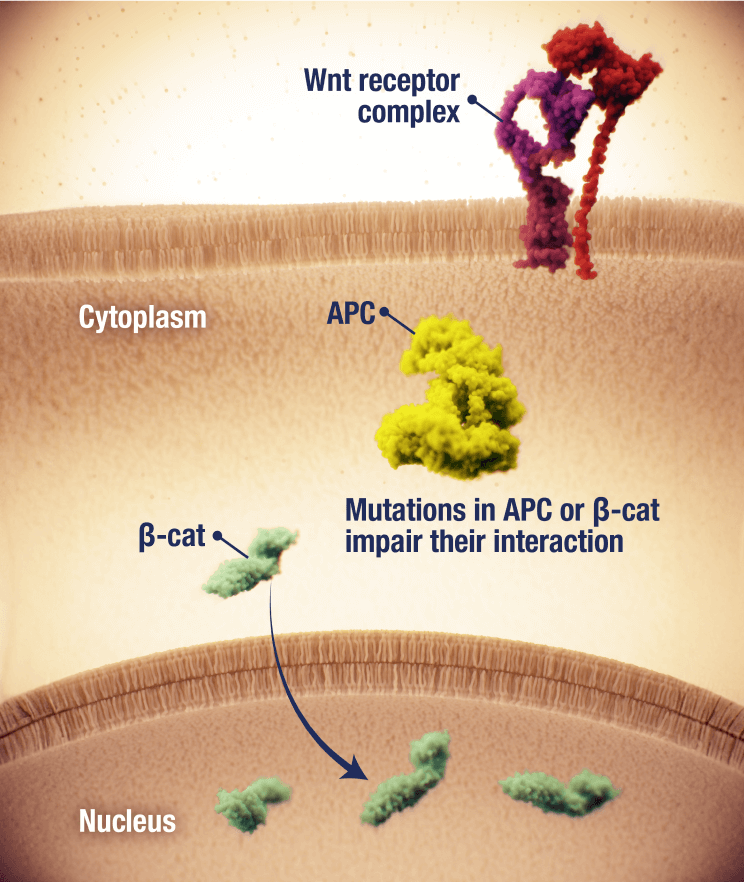
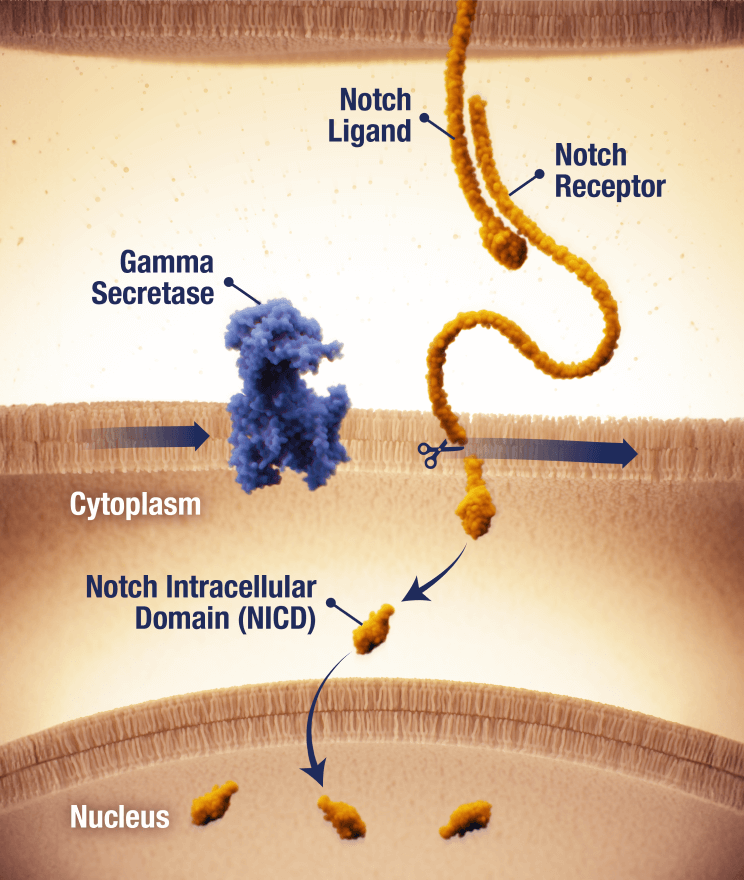
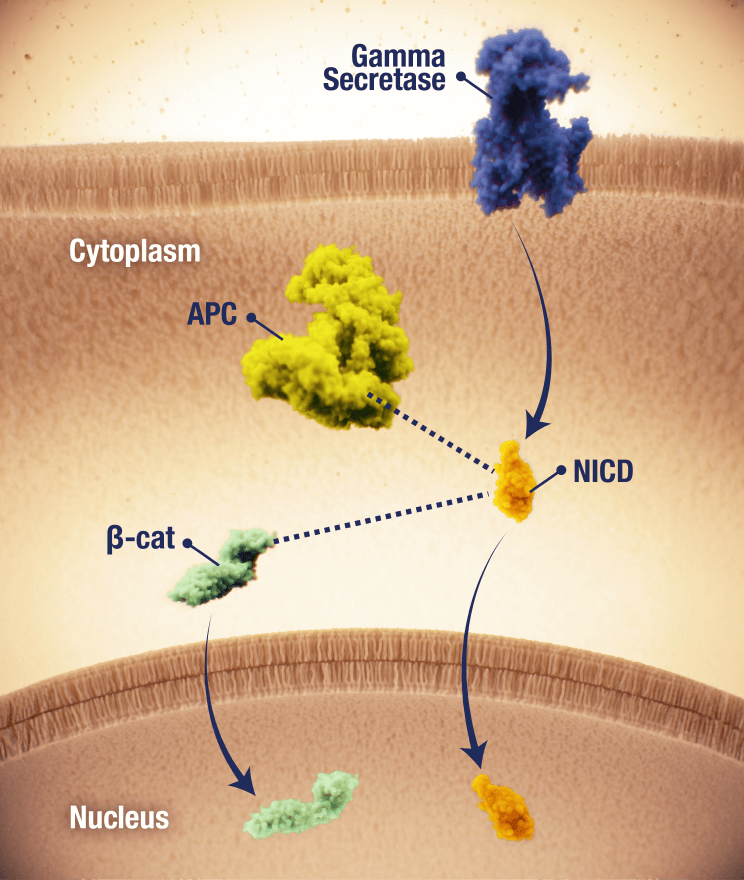
Proposed mechanism of action based on in vitro models

APC, adenomatous polyposis coli; CTNNB1, catenin beta 1; NCCN, National Comprehensive Cancer Network® (NCCN®).

Pivotal Trial Evidence & Long-Term Data

Explore clinical results and long-term data for OGSIVEO.

The DeFi Study Publication

OGSIVEO was evaluated in DeFi—the largest completed Phase 3 trial of an FDA-approved therapy in adult patients with desmoid tumors. Review the results of this landmark study in The New England Journal of Medicine.

Long-term Data Is Available

Explore up to 4 years of data from a long-term post-hoc analysis.1,13

Connect With Us

Sign up to connect with a representative. You can also sign up to receive information and resources directly to your inbox.

Dosing

Learn about the starting dosage of OGSIVEO and recommended dose modifications for certain adverse reactions.

Explore our Video Library

Learn about unique perspectives and experiences with desmoid tumors and OGSIVEO.

close
Resources
Indication
Important Safety Information

Indication 

OGSIVEO is indicated for adult patients with progressing desmoid tumors who require systemic treatment.

Important Safety Information

Warnings And Precautions

Diarrhea: Diarrhea, sometimes severe, can occur in patients treated with OGSIVEO. Diarrhea occurred in 84% of patients treated with OGSIVEO, and included Grade 3 events in 16% of patients. Median time to first diarrhea event was 9 days (range: 2 to 434 days). Monitor patients and manage using antidiarrheal medications. Modify dose as recommended.

Ovarian Toxicity: Female reproductive function and fertility may be impaired in patients treated with OGSIVEO. Impact on fertility may depend on factors like duration of therapy and state of gonadal function at time of treatment. Long-term effects of OGSIVEO on fertility have not been established. Advise patients on the potential risks for ovarian toxicity before initiating treatment. Monitor patients for changes in menstrual cycle regularity or the development of symptoms of estrogen deficiency, including hot flashes, night sweats, and vaginal dryness.

Hepatotoxicity: ALT or AST elevations occurred in 30% and 33% of patients, respectively. Grade 3 ALT or AST elevations (>5 x ULN) occurred in 6% and 2.9% of patients. Monitor liver function tests regularly and modify dose as recommended.

Non-Melanoma Skin Cancers: New cutaneous squamous cell carcinoma and basal cell carcinoma occurred in 2.9% and 1.4% of patients, respectively. Perform dermatologic evaluations prior to initiation of OGSIVEO and routinely during treatment.

Electrolyte Abnormalities: Decreased phosphate (65%) and potassium (22%) occurred in OGSIVEO-treated patients. Phosphate <2 mg/dL occurred in 20% of patients. Grade 3 decreased potassium occurred in 1.4% of patients. Monitor phosphate and potassium levels regularly and supplement as necessary. Modify dose as recommended.

Embryo-Fetal Toxicity: OGSIVEO can cause fetal harm when administered to pregnant women. Oral administration of nirogacestat to pregnant rats during the period of organogenesis resulted in embryo-fetal toxicity and death at maternal exposures below human exposure at the recommended dose of 150 mg twice daily. Advise pregnant women of the potential risk to a fetus. Advise females and males of reproductive potential to use effective contraception during treatment with OGSIVEO and for 1 week after the last dose.

Adverse Reactions

The most common (≥15%) adverse reactions were diarrhea (84%), ovarian toxicity (75% in the 36 females of reproductive potential), rash (68%), nausea (54%), fatigue (54%), stomatitis (39%), headache (30%), abdominal pain (22%), cough (20%), alopecia (19%), upper respiratory tract infection (17%), and dyspnea (16%).

Serious adverse reactions occurred in 20% of patients who received OGSIVEO. Serious adverse reactions occurring in ≥2% of patients were ovarian toxicity (4%).

The most common laboratory abnormalities (≥15%) were decreased phosphate, increased urine glucose, increased urine protein, increased AST, increased ALT, and decreased potassium.

Drug Interactions

CYP3A Inhibitors and Inducers: Avoid concomitant use with strong or moderate CYP3A inhibitors (including grapefruit products, Seville oranges, and starfruit) and strong or moderate CYP3A inducers.

Gastric Acid Reducing Agents: Avoid concomitant use with proton pump inhibitors and H2 blockers. If concomitant use cannot be avoided, OGSIVEO can be staggered with antacids (e.g., administer OGSIVEO 2 hours before or 2 hours after antacid use).

Consult the full Prescribing Information prior to and during treatment for important drug interactions.

Use in Specific Populations

Because of the potential for serious adverse reactions in breastfed children, advise women not to breastfeed during treatment with OGSIVEO and for 1 week after the last dose.

Please click here for full Prescribing Information.

Indication 

OGSIVEO is indicated for adult patients with progressing desmoid tumors who require systemic treatment.

Please click here for full Prescribing Information.
References
  1. OGSIVEO. Prescribing Information. SpringWorks Therapeutics, Inc.
  2. Gounder M, Ratan R, Alcindor T, et al. Nirogacestat, a gamma-secretase inhibitor for desmoid tumors. N Engl J Med. 2023;388(10):898-912.
  3. Data on file. SpringWorks Therapeutics, Inc. June 2025.
  4. Referenced with permission from the NCCN Clinical Practice Guidelines in Oncology (NCCN Guidelines®) for Soft Tissue Sarcoma V.1.2025. © National Comprehensive Cancer Network, Inc. 2025. All rights reserved. Accessed September 3, 2025. To view the most recent and complete version of the guideline, go online to NCCN.org. NCCN makes no warranties of any kind whatsoever regarding their content, use or application and disclaims any responsibility for their application or use in any way.
  5. Kasper B, Baldini EH, Bonvalot S, et al; Desmoid Tumor Working Group. Current management of desmoid tumors: a review [supplementary online content]. JAMA Oncol. 2024;10(8):1121-1128.
  6. Crago AM, Chmielecki J, Rosenberg M, et al. Near universal detection of alterations in CTNNB1 and Wnt pathway regulators in desmoid-type fibromatosis by whole-exome sequencing and genomic analysis. Genes Chromosomes Cancer. 2015;54(10):606-615.
  7. Penel N, Chibon F, Salas S. Adult desmoid tumors: biology, management and ongoing trials. Curr Opin Oncol. 2017;29(4):268-274.
  8. Salas S, Chibon F, Noguchi T, et al. Molecular characterization by array comparative genomic hybridization and DNA sequencing of 194 desmoid tumors. Genes Chromosomes Cancer. 2010;49(6):560-568.
  9. Carothers AM, Rizvi H, Hasson RM, et al. Mesenchymal stromal cell mutations and wound healing contribute to the etiology of desmoid tumors. Cancer Res. 2012;72(1):346-355
  10. Shang H, Braggio D, Lee YJ, et al. Targeting the Notch pathway: a potential therapeutic approach for desmoid tumors. Cancer. 2015;121(22):4088-4096.
  11. Siebel C, Lendahl U. Notch signaling in development, tissue homeostasis, and disease. Physiol Rev. 2017;97(4):1235-1294.
  12. Andersson ER, Sandberg R, Lendahl U. Notch signaling: simplicity in design, versatility in function. Development. 2011;138(17):3593-3612.
  13. Ratan R, Kasper B, Alcindor T, et al. Efficacy and safety of long-term continuous nirogacestat treatment in adults with desmoid tumors: results from the DeFi trial. J Clin Oncol. Published online October 20, 2025. Accessed November 14, 2025. https://ascopubs.org/doi/10.1200/JCO-25-00582